About
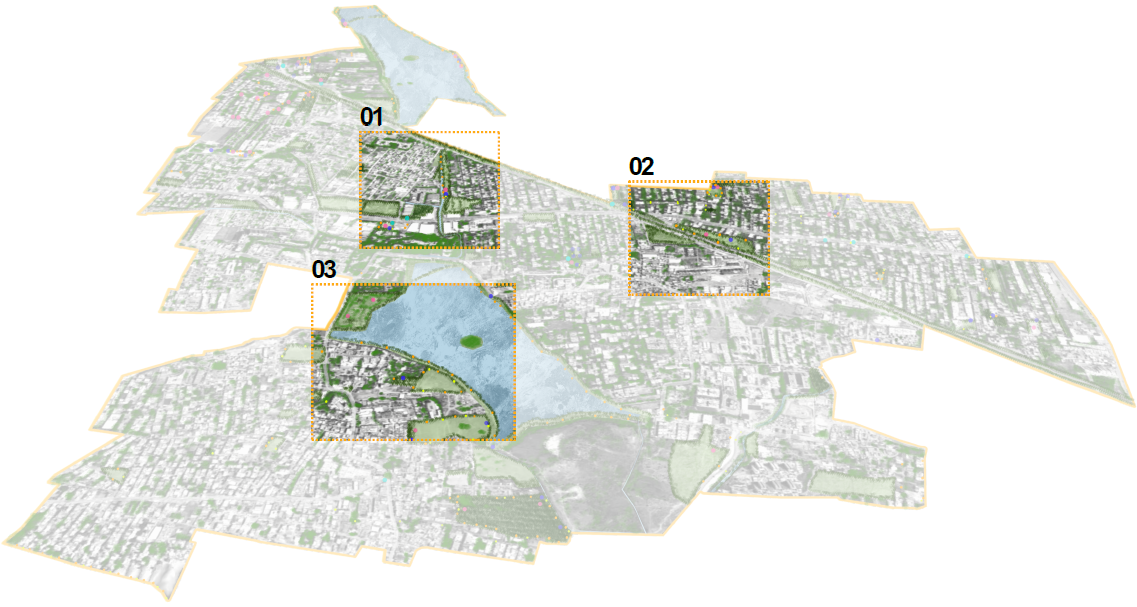
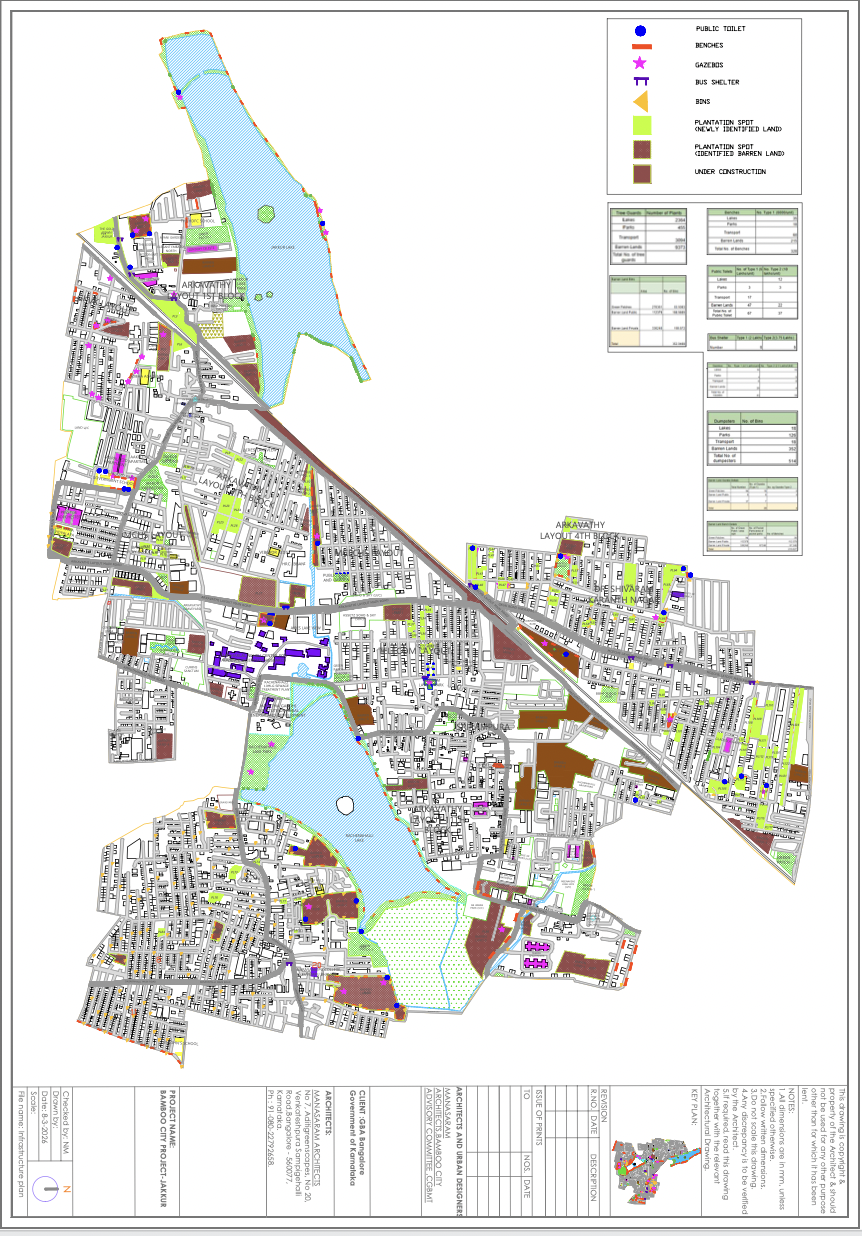
The Bamboo City Project is an urban-scale, nature-based planning framework for Bengaluru that uses bamboo to tackle rising heat, air pollution, shrinking green cover, and stressed water systems. Conceived by CGBMT and led by Architect and Professor Neelam Manjunath, the project plugs into the city’s Climate Action Plan with the goal of making Bengaluru carbon-neutral by 2030–2035 and regenerative thereafter. It proposes one bamboo plant per citizen and at least 30% integration of bamboo into housing, infrastructure, and allied sectors, aligning spatial planning with material transitions. Citywide plantations, Oxygen Parks, and Oxygen Corridors create cooler, walkable, connected green networks, while bamboo-based construction, energy, and product systems reduce emissions and support circular economies. As an urban planning model, Bamboo City links ecological restoration, public space, climate resilience, and livelihood generation into a cohesive roadmap for Bengaluru’s long-term transformation.
Location: Bengaluru, India
Project Type: Urban Ecological Regeneration & Bamboo-Based Climate Action Initiative
Focus Areas: Urban Greening, Bamboo Infrastructure, Water Restoration, Air Quality Improvement, Sustainable Construction & Livelihood Generation.
Target Year: Carbon Neutral by 2035
Project at a Glance: Urban Planning
-
One bamboo plant for every resident of Bangalore.
-
Bamboo-based carbon sequestration and regenerative landscape systems.
-
Oxygen corridors, groundwater recharge, and phytoremediation.
-
Target of 30% bamboo usage in the development sector, including building and construction.
-
Generating Bamboo-based employment, revival and upscaling of raft and circular economy systems.